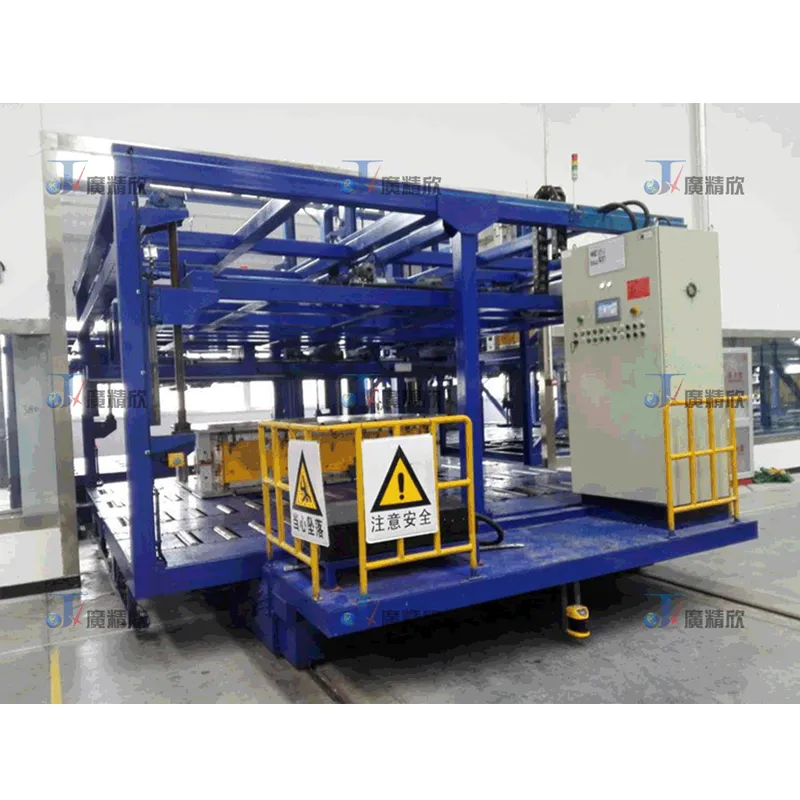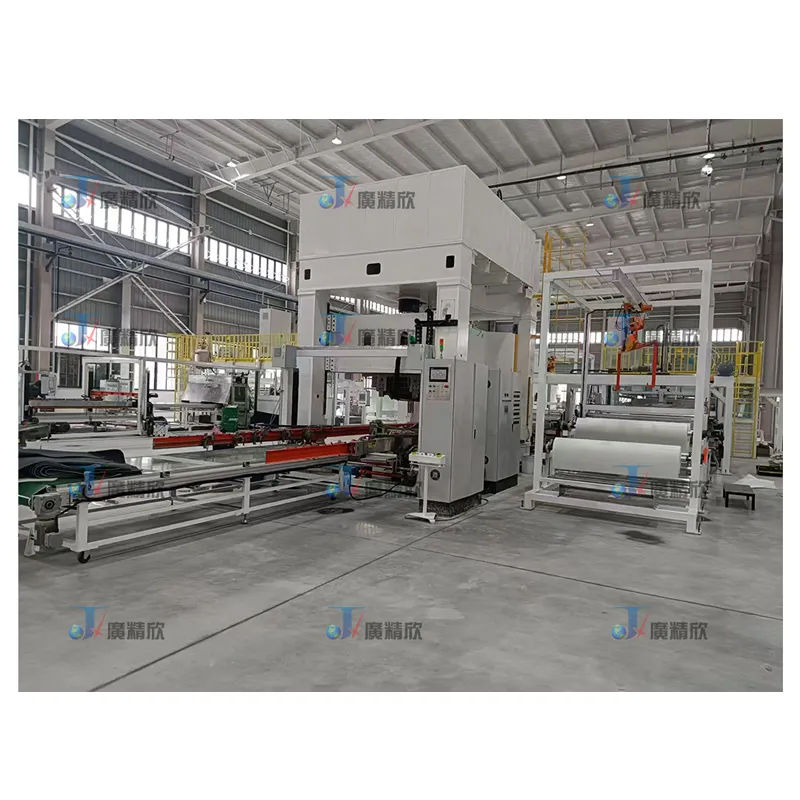
Automated Automotive Flooring for assembly line car production
Achieving high-throughput manufacturing for automotive flooring requires a precise balance of thermal regulation and material handling. For producers focusing on non-woven carpets with thermoplastic coatings, the shift toward automated systems is no longer optional but a necessity for maintaining consistency across large batches. This specialized equipment integrates needle-punched feeding mechanisms with high-precision PID temperature controls to eliminate the common defects found in manual lamination processes.
By utilizing heat conduction oil steel templates rather than standard electric coils, these production lines ensure uniform heat distribution, which is critical for preventing cold spots in automotive floor mats and acoustic panels. This technical approach allows for a rapid production rhythm—reaching up to 55 seconds per piece in dual-oven configurations—making it a cornerstone for efficient assembly line car production setups seeking to reduce cycle times without compromising the structural integrity of the interior components.

Advanced Thermal Engineering and Material Feeding Mechanisms
The core efficiency of a carpet production line lies in its ability to maintain strict thermal stability. Unlike traditional heating methods, the use of heat conduction oil steel templates provides a more stable and energy-efficient thermal environment. This system utilizes PID (Proportional-Integral-Derivative) mode control, achieving a temperature accuracy of ±1°C, which ensures that the thermoplastic material coating melts and bonds perfectly with the non-woven substrate.
Complementing the heating system is the automatic needle-punched feeding mechanism. This system is engineered to ensure precise alignment and uniform material distribution, which prevents wrinkles or gaps during the forming process. The inclusion of an adjustable width mechanism allows the line to be highly versatile, accommodating various product dimensions ranging from compact foot mats to full-vehicle interior carpets.
- Teflon-Coated Mesh Belts: High-temperature resistant and non-stick surfaces that prevent material deformation.
- Chain-Driven Conveyors: Synchronized transport to maintain a steady flow between the feeding and forming stages.
- Double Oven Mode: Optimized for high-speed output, enabling a cycle time of 55 seconds per piece.

Precision Forming and PLC-Driven Control Systems
Once the material is heated, it enters the forming machine, where a hydraulic or pneumatic cold press applies high pressure to set the final shape and texture. This stage is critical for achieving consistent thickness across the entire part. For manufacturers requiring specific aesthetic finishes, the system is compatible with embossing rollers, allowing for the integration of patterned designs directly into the carpet surface.
The entire operation is orchestrated by a PLC (Programmable Logic Controller) paired with a touchscreen HMI (Human-Machine Interface). This allows operators to adjust speed, temperature, and pressure in real-time. The integrated fault detection and alarm system significantly reduce unplanned downtime by identifying mechanical or thermal deviations before they lead to product waste.
From an engineering perspective, the combination of a stainless steel frame and Teflon components ensures long-term durability in harsh industrial environments. This reduces the frequency of maintenance interventions and eliminates the need for constant heating coil replacements, which are typical in lower-end electric heating systems.
Industry Applications and Material Compatibility
The versatility of this automated line extends beyond simple floor mats. Because the system is compatible with various materials including PP, PET, and PVC coatings, it can be adapted for a wide array of automotive and industrial applications. The ability to handle non-woven fabrics makes it an ideal solution for producing high-performance acoustic panels used for sound absorption in vehicle cabins.
In the context of automotive interiors, these machines produce durable, heat-resistant flooring that meets strict OEM standards for wear and tear. Beyond the automotive sector, the equipment is equally effective for producing heavy-duty industrial anti-slip mats and customizable home or office carpeting, where texture and color consistency are paramount.
For procurement managers, the primary value lies in the reduction of operating costs. The oil recirculation system retains heat longer than air-based ovens, resulting in lower power consumption per unit produced. This makes the system a sustainable choice for facilities looking to scale their production while managing energy overheads.
Technical Specification and Material Suitability Matrix
| Material Type | Heating Method | Control Precision | Production Suitability |
|---|---|---|---|
| PP Non-woven | Heat Conduction Oil | ±1°C (PID) | High - Automotive Mats |
| PET Coating | Steel Template | ±1°C (PID) | High - Acoustic Panels |
| PVC Lamination | Double Oven | Digital PLC | Medium - Industrial Flooring |
| Thermoplastic Mix | Oil Recirculation | Digital PLC | High - Custom Carpets |
| Composite Fiber | Hydraulic Press | HMI Adjustable | Medium - Heavy Duty Mats |
Evaluating Supplier Capability for Interior Production Lines
When selecting a partner for automotive equipment, buyers must look beyond the basic machine specifications. The ability to provide integrated solutions—such as combining a carpet line with sound insulation pad production—is a key differentiator. A manufacturer's experience in R&D and their ability to integrate technology research with actual manufacturing determines the longevity and adaptability of the equipment.
Crucial evaluation factors include the quality of the components used, such as the grade of the stainless steel and the thermal efficiency of the molds. Suppliers who focus on high-tech integration, offering PLC-based automation and PID controls, typically provide lower total cost of ownership due to reduced labor requirements and lower scrap rates.
Furthermore, the capacity for customization is essential. Since vehicle interior designs change rapidly, the equipment must support quick mold changes and adjustable widths to accommodate new models without requiring a complete line overhaul.
Future Trends in Automotive Interior Manufacturing
The automotive industry is moving toward lighter, more sustainable interior materials. This shift requires production equipment that can handle bio-based thermoplastics and recycled non-woven fibers without sacrificing bond strength. Future iterations of automated lines will likely see deeper integration of AI-driven quality inspection, where cameras detect surface defects in real-time during the forming process.
Energy efficiency remains the primary driver for technical evolution. The transition from electric heating to more advanced thermal fluids and the implementation of heat recovery systems are expected to further lower the carbon footprint of interior part production. For manufacturers, investing in flexible, modular lines that can be upgraded with new heating modules will be the most strategic approach to long-term competitiveness.
As the demand for electric vehicles increases, the focus on cabin acoustics is growing, driving the need for more sophisticated sound-absorbing non-woven layers. Equipment that can precisely control the density and thickness of these layers will be in high demand.
Frequently Asked Questions on Automated Carpet Production
What is the main advantage of using heat conduction oil over electric heating?
Heat conduction oil provides superior temperature uniformity across the steel template, eliminating cold spots and reducing energy consumption through better heat retention compared to electric coils.
Can this production line handle different sizes of automotive mats?
Yes, the system features an adjustable width mechanism in the reclaiming and feeding sections, making it compatible with various product dimensions for different vehicle models.
How does the PID temperature control improve product quality?
PID control ensures a precise temperature accuracy of ±1°C, which prevents the thermoplastic coating from overheating or under-melting, resulting in consistent bonding and surface texture.
What materials are compatible with the automatic carpet production line?
The line is designed for non-woven fabrics with thermoplastic coatings, including materials made from PP, PET, and PVC.
What is the maximum production speed of the dual-oven system?
In the double oven heating mode, the production rhythm can reach its fastest rate of 55 seconds per piece.
Does the system support patterned or embossed designs?
Yes, the forming machine is compatible with embossing rollers, allowing manufacturers to create specific textures or patterns on the carpet surface during the cold press stage.
Technical References and Industry Standards
- ISO Standards for Automotive Quality Management
- SAE International - Automotive Interior Material Specifications
- NIST Guidelines on Thermal Processing and PID Control
- Industrial Plastics Association - Thermoplastic Coating Research
Selecting the right automated equipment is critical for reducing waste and increasing throughput in automotive interior manufacturing. By focusing on thermal precision and material flexibility, producers can ensure their components meet the rigorous standards of the modern automotive supply chain.
Related Industrial Equipment